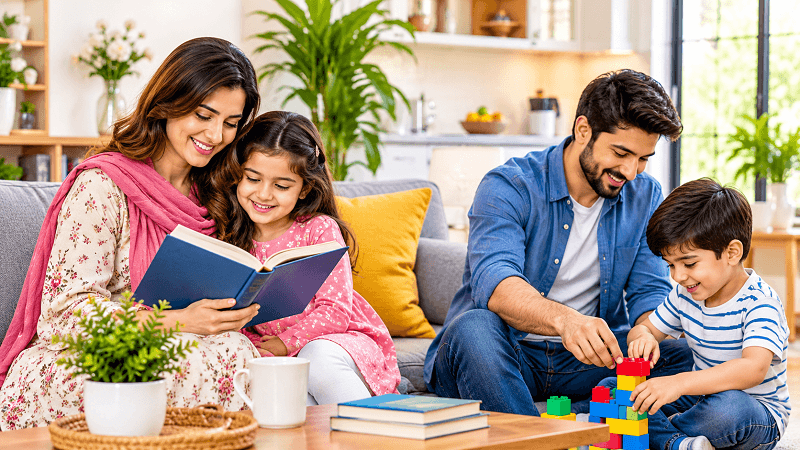
Everyday life is made up of small moments, family activities, personal responsibilities, and daily experiences. The way we manage these things has a significant impact on our happiness, comfort, and overall well-being. A good lifestyle does not always require expensive products, complicated routines, or major changes. Sometimes, simple habits and practical decisions can make everyday living more enjoyable.
A balanced lifestyle means finding time for family, taking care of your home, maintaining personal well-being, and enjoying activities that bring happiness. It is about creating a comfortable environment where everyone can feel supported and valued.
The lifestyle whatutalkingboutwillistyle focuses on these everyday experiences by sharing helpful ideas, practical information, and inspiration for family life, home improvement, motherhood, and personal routines. Whether you want to organize your home, improve family relationships, or develop healthier habits, understanding the basics of a balanced lifestyle can help you make positive changes.
1. Understanding the Importance of a Balanced Lifestyle
A balanced lifestyle is about managing different areas of life without allowing one responsibility to take all your time and energy. Family, work, household activities, personal interests, and relaxation are all important.
Many people become busy with everyday responsibilities and forget to take time for themselves. This can make daily routines stressful and difficult to manage. Creating a balanced routine helps people organize their responsibilities and enjoy their free time.
Here are some important benefits of maintaining a balanced lifestyle:
- Better Time Management: Organizing daily activities helps you complete important tasks without unnecessary pressure.
- Improved Family Relationships: Spending quality time together creates stronger emotional connections.
- Comfortable Home Environment: A clean and organized home makes everyday activities easier.
- Personal Growth: Learning new skills and developing positive habits supports personal development.
- Reduced Daily Stress: Planning responsibilities and allowing time for relaxation can make life more manageable.
A balanced lifestyle does not mean following a perfect schedule. It means understanding your priorities and making reasonable choices.
2. Creating a Healthy and Organized Daily Routine
A good daily routine can make a noticeable difference in how you manage your responsibilities. When you know what needs to be done, you can use your time more effectively.
Start your morning with simple activities. Make your bed, drink water, prepare breakfast, and review the tasks you need to complete during the day. These small actions can help you begin the morning with a positive mindset.
During the day, divide your responsibilities into manageable tasks. Instead of trying to complete everything at once, focus on one activity at a time.
Some useful daily routine ideas include:
- Wake up at a consistent time.
- Prepare a simple breakfast.
- Make a daily task list.
- Keep your living space organized.
- Take short breaks between activities.
- Spend time with family members.
- Prepare for the following day before going to bed.
- Remember that routines should support your lifestyle rather than make it more stressful. Adjust your schedule according to your family’s needs, working hours, and personal responsibilities.
3. Making Family Time More Meaningful
Family is an important part of everyday life. Spending meaningful time together helps develop trust, understanding, and stronger relationships.
Modern schedules can make it difficult for family members to spend time together. Work, education, household responsibilities, and digital devices often take attention away from family activities.
However, creating family moments does not require expensive outings or special occasions. Simple activities can bring everyone closer.
Consider these family-friendly ideas:
Enjoy Meals Together
Try to have at least one meal together whenever possible. Family meals provide an opportunity to discuss daily experiences, share ideas, and understand each other’s feelings.
Plan Weekend Activities
You can organize movie nights, outdoor walks, family games, or visits to nearby parks. These activities create enjoyable memories.
Celebrate Small Achievements
Appreciating children’s school achievements, personal progress, and family milestones helps everyone feel valued.
Communicate Openly
Encourage family members to express their thoughts and concerns. Listening carefully can prevent misunderstandings and strengthen relationships.
Meaningful family time is not about how many hours you spend together. It is about giving attention and making each moment count.
4. Simple Home Organization and Improvement Ideas
Your home is where you relax, spend time with loved ones, and complete many everyday activities. A comfortable and organized home can make daily life easier.
You do not need a large budget to improve your living space. Small changes can create a cleaner, more welcoming environment.
Start by organizing one room at a time. Remove unnecessary items, arrange furniture properly, and keep frequently used belongings within easy reach.
Here are some practical home organization tips:
- Use storage baskets to organize small household items.
- Keep kitchen counters clean and free from unnecessary objects.
- Arrange clothes according to their type and season.
- Clean frequently used areas regularly.
- Create a comfortable corner for reading or relaxation.
- Add indoor plants where suitable.
- Use natural light to make rooms feel brighter.
You should also develop a cleaning schedule. For example, clean the kitchen daily, organize bedrooms regularly, and choose one day each week for deeper household cleaning.
These simple habits can help maintain a pleasant home without making cleaning an overwhelming responsibility.
5. Understanding Mom Life and Everyday Responsibilities
Motherhood is an important and rewarding part of family life, but it also involves many responsibilities. Mothers often manage children’s needs, household tasks, meals, school schedules, and other daily activities.
With so many responsibilities, it is important for mothers to create routines that support both family needs and personal well-being.
One useful approach is to plan household activities in advance. Preparing meals, organizing children’s school supplies, and making shopping lists can save valuable time.
Mothers should also remember that taking care of themselves is important. Personal time is not selfish. It helps maintain energy, confidence, and emotional balance.
Some helpful ideas for managing everyday motherhood responsibilities include:
- Prepare children’s clothes and school items the night before.
- Create a simple weekly meal plan.
- Divide suitable household responsibilities among family members.
- Keep important appointments and activities organized.
- Take short breaks whenever possible.
- Make time for hobbies and personal interests.
Every family has different needs, so there is no single perfect approach to motherhood. Finding a routine that works for your household is what matters most.
6. Developing Healthy Lifestyle Habits
Healthy habits are an important foundation of comfortable everyday living. They support physical health, emotional well-being, and personal confidence.
You do not need to make dramatic changes to improve your daily habits. Start with small and realistic steps that you can maintain over time.
Eat Balanced Meals
Include different food groups in your meals, such as vegetables, fruits, whole grains, and protein-rich foods. Try to maintain regular eating habits and choose nutritious options whenever possible.
Stay Physically Active
Walking, cycling, stretching, gardening, and other enjoyable activities can help you remain active. Choose activities that fit your abilities and daily schedule.
Get Enough Sleep
A regular sleeping schedule supports concentration, energy, and general well-being. Create a relaxing bedtime routine and reduce unnecessary screen time before sleeping.
Drink Enough Water
Staying hydrated is important for normal body functions. Keep water available throughout the day and develop a habit of drinking it regularly.
Take Care of Your Mental Well-Being
Make time for relaxation, hobbies, meaningful conversations, and activities that help you feel refreshed.
The most important thing is consistency. Small positive habits can become a valuable part of your everyday routine.
7. Managing Time and Household Responsibilities
Time management is one of the most useful skills for maintaining a balanced lifestyle. When responsibilities are not organized, even simple tasks can become stressful.
A weekly plan can help you understand which activities need attention and when they should be completed.
For example, you can assign different responsibilities to different days. Monday might be for grocery planning, Tuesday for laundry, and Wednesday for organizing household spaces.
You can also use a notebook, calendar, or mobile application to keep track of important tasks.
Try these practical time-management techniques:
- Write down your most important daily tasks.
- Complete urgent responsibilities first.
- Divide large tasks into smaller activities.
- Avoid unnecessary distractions while working.
- Allow extra time for unexpected responsibilities.
- Review your progress at the end of each week.
Remember that a useful schedule should remain flexible. Unexpected situations are a normal part of everyday life.
8. Making Smart Decisions About Shopping and Budgeting
Managing money wisely is another important part of family and home life. Household expenses, grocery shopping, education, transportation, and utility bills can affect a family’s monthly budget.
Creating a simple budget helps you understand where your money goes and identify opportunities to save.
Begin by listing your regular monthly expenses. Separate essential expenses from optional spending. This makes it easier to identify areas where you can reduce unnecessary costs.
Here are some practical money-management tips:
- Prepare a shopping list before visiting stores.
- Compare prices before purchasing expensive products.
- Avoid buying unnecessary household items.
- Plan meals to reduce food waste.
- Set aside some money for emergencies when possible.
- Review monthly expenses regularly.
Smart budgeting does not mean avoiding everything enjoyable. It means making thoughtful spending decisions while keeping important family needs a priority.
9. Finding Time for Personal Interests and Hobbies
Personal interests and hobbies bring enjoyment and creativity into everyday life. They also provide opportunities to learn new skills and discover different interests.
Some people enjoy reading books, cooking, gardening, photography, writing, or learning through online courses. Others prefer outdoor activities, creative projects, or spending quiet time with friends.
Choose activities that genuinely interest you rather than following trends.
You can begin with just 15 to 30 minutes of personal time each day. Even a short break can help you feel refreshed and motivated.
Encourage other family members to explore their interests as well. Children can benefit from creative activities, sports, reading, and educational hobbies.
Having personal interests alongside family responsibilities helps create a more enjoyable and balanced daily experience.
10. Building a Positive and Comfortable Everyday Lifestyle
A positive lifestyle develops through everyday decisions. Being thankful, communicating respectfully, staying organized, and supporting family members can improve the atmosphere of your home.
Avoid comparing your family, home, or personal achievements with what you see on social media. Every household has different circumstances, responsibilities, and financial situations.
Focus on improvements that are realistic for your needs.
The lifestyle whatutalkingboutwillistyle encourages readers to appreciate simple experiences and explore practical ways to improve family life, home organization, and everyday routines.
You can begin by making one small improvement each week. Organize a room, plan a family activity, try a new healthy recipe, or develop a better morning routine. Over time, these small actions can create meaningful changes.
Conclusion
A balanced lifestyle is not about achieving perfection. It is about creating everyday habits and routines that make life more comfortable, organized, and enjoyable.
From strengthening family relationships and improving home organization to managing time, developing healthy habits, and enjoying personal interests, every small effort can contribute to a better daily experience.
Start with simple changes, understand your priorities, and make decisions that support your family’s needs. Remember that a happy and comfortable lifestyle is built through consistency, patience, and appreciation for everyday moments.
At WhatUTalkingBoutWilliStyle, our aim is to share helpful information, practical ideas, and inspiration that readers can use in their everyday lives. Explore our content for more family, home, mom life, and lifestyle inspiration.